Source Equestrian Gloves for Riding, Training, and Grooming
Compare 30 equestrian gloves from verified Chinese suppliers with options in knitted fabric, PE, and microfiber materials. Buyers can evaluate sizes, colors, and customization features for horse riding, training, and grooming tasks; compare the available evidence and request quotations based on your requirements.
Key considerations
Products List






Comprehensive Sourcing Guide
Equestrian Gloves Sourcing Guide
Product Scope and Observed Listing Signals
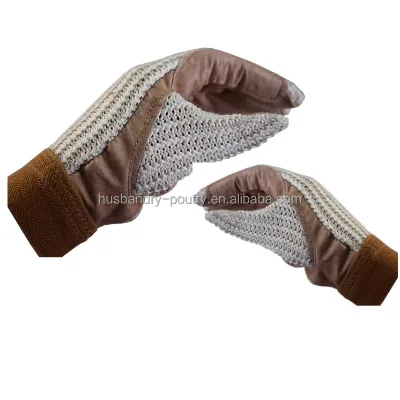
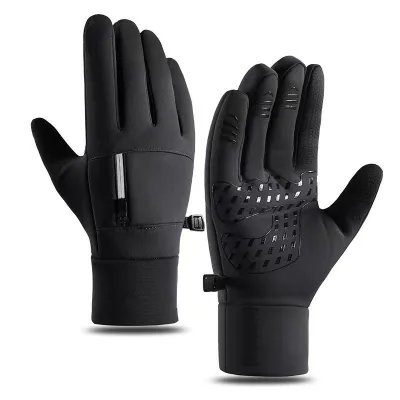
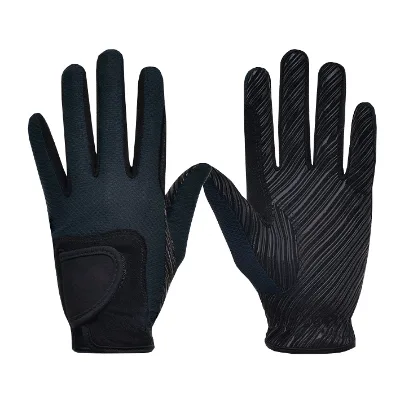
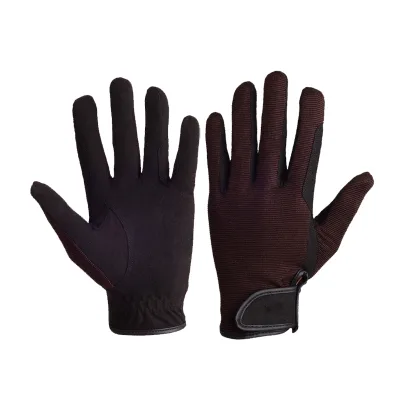
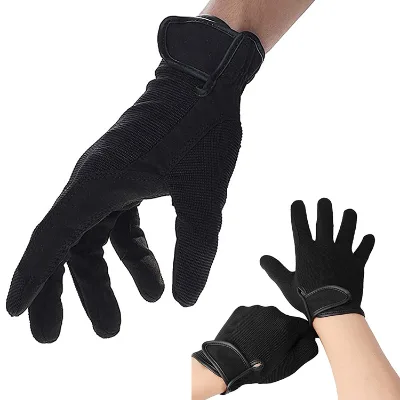
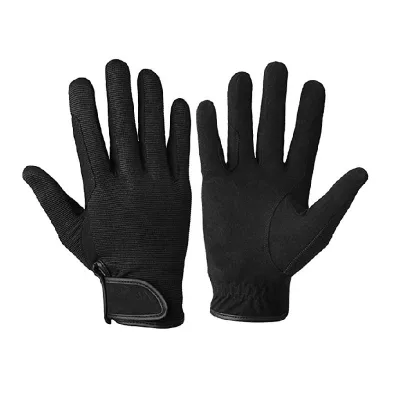
The current market landscape for equestrian gloves reveals a diverse array of products designed for distinct riding disciplines and functional requirements. Listings indicate a strong presence of knitted fabric gloves with PU coatings, which are typically engineered to provide enhanced grip and durability for horse riding activities. These items often feature full-finger designs and are available in a wide spectrum of colors, including black, pink, beige, and orange, allowing buyers to align inventory with seasonal trends or brand identity. The observed product range extends beyond traditional leather or synthetic leather options to include specialized arm gloves made from PE materials, suggesting a broader category that encompasses protective gear for various equestrian-related tasks.
Buyers should note the significant variation in minimum order quantities and packaging structures across different supplier listings. Some suppliers offer low entry points with MOQs as low as five pieces, catering to small boutique orders or sampling needs, while others require bulk commitments of up to five thousand pieces per color. Packaging data suggests that items are often shipped in cartons with specific unit counts, such as sixty pairs per carton, which impacts logistics planning and storage requirements. Understanding these listing signals is crucial for determining whether a supplier’s operational model aligns with your company’s volume expectations and supply chain flexibility.
Technical Specifications to Verify
When evaluating technical specifications, the material composition is a primary determinant of performance and longevity. Sourcing guides highlight options ranging from knitted fabrics with PU coatings to nylon and spandex blends, each offering different levels of breathability, stretch, and wear resistance. Buyers must verify the finger length, with full-finger designs being standard for most riding applications to ensure complete hand protection and control. Additionally, features such as anti-slip properties and buckle closures are critical for maintaining a secure grip on reins and ensuring the gloves stay in place during intense physical activity, directly impacting rider safety and performance.
Dimensional accuracy and sizing consistency are equally important factors that require rigorous verification. Listings show size ranges from XS to L, but buyers should confirm whether these measurements align with international sizing standards to avoid fit issues for end-users. The length of the gloves, which can extend up to ninety centimeters in some arm glove variants, must be matched to the specific riding style and protective needs. Furthermore, the cuff tightness, described as tight in some observations, plays a vital role in preventing debris from entering the glove and ensuring a snug fit that does not restrict blood flow or movement during extended riding sessions.
Compliance and Safety Documentation
Compliance with international quality and ethical standards is essential for maintaining brand reputation and ensuring market access. Some suppliers indicate adherence to ISO and BSCI certifications, which signal a commitment to quality management systems and responsible business practices in their manufacturing facilities. Buyers should request valid certification documents to verify that the production environment meets the required social and environmental standards. This due diligence helps mitigate risks associated with labor violations and ensures that the supply chain operates transparently, which is increasingly important for consumers and regulatory bodies in Western markets.
Safety documentation should also cover the material safety and chemical compliance of the gloves, particularly those involving PU coatings or synthetic fabrics. While specific test results are not always listed, buyers must ensure that the materials used are free from harmful substances and meet relevant safety regulations for personal protective equipment. It is advisable to request material safety data sheets (MSDS) or test reports from accredited laboratories to confirm that the gloves do not pose health risks to riders. This verification process is critical for products that come into direct and prolonged contact with human skin, ensuring both comfort and safety.
Cost Drivers and Commercial Terms
Several factors influence the final cost of equestrian gloves, with material quality and customization options being primary drivers. Gloves made from premium knitted fabrics with high-grade PU coatings or microfiber linings typically command higher prices due to superior durability and comfort. Customization services, such as logo printing or bespoke color matching, add to the production complexity and cost. Buyers should also consider the impact of order volume on pricing, as larger MOQs often result in more favorable unit costs, allowing for better margin management in the retail or wholesale distribution channels.
Commercial terms, including delivery times and shipping methods, significantly affect the total landed cost and inventory planning. Standard delivery times range from thirty to forty-five days, which requires careful coordination with production schedules and sales forecasts. Shipping options vary from express to air and sea freight, each with different cost implications and transit times. Buyers must evaluate these terms in the context of their supply chain strategy, balancing the need for speed against the desire to minimize logistics expenses. Clear agreement on these terms helps prevent unexpected costs and ensures timely product availability for market launch.
Supplier Qualification and Quality Control
Supplier qualification begins with assessing their production capabilities and quality control processes. Buyers should verify the supplier’s ability to handle OEM and ODM requests, ensuring they can meet specific design and branding requirements. The presence of a dedicated quality control team and standardized packaging procedures, such as polybagging and carton packing, indicates a mature manufacturing operation. It is crucial to request samples to evaluate the physical quality of the gloves, including stitching integrity, material feel, and overall construction, before committing to large-scale orders.
Quality control should also extend to the inspection of finished goods prior to shipment. Buyers should establish clear acceptance criteria for defects, such as loose threads, color mismatches, or sizing errors, and communicate these standards to the supplier. Implementing a third-party inspection service can provide an additional layer of assurance, ensuring that the products meet the agreed-upon specifications before they leave the factory. This proactive approach helps reduce the risk of receiving substandard goods and minimizes the potential for costly returns or customer complaints in the downstream market.
Long-Term Procurement Checks
Long-term procurement success depends on establishing a robust supplier relationship and continuous performance monitoring. Buyers should regularly review supplier performance metrics, including on-time delivery rates, product quality consistency, and responsiveness to issues. Maintaining open communication channels allows for timely resolution of any problems that may arise during production or shipping. It is also advisable to conduct periodic audits or visits to the supplier’s facility to ensure that quality standards and ethical practices are consistently maintained throughout the partnership.
Adapting to market changes and evolving customer preferences is another critical aspect of long-term procurement. Buyers should stay informed about emerging trends in equestrian gear, such as new materials or design innovations, and work with suppliers to incorporate these features into their product offerings. Regularly updating the product portfolio with fresh styles and colors helps maintain customer interest and competitiveness. By fostering a collaborative and flexible supply chain, buyers can ensure a steady supply of high-quality equestrian gloves that meet the dynamic needs of the market.
FAQs
What materials are used for equestrian gloves?
Equestrian gloves are constructed from knitted fabric with PU, PE, Nylon, Spandex, or Microfiber. These materials provide durability and comfort. The specific material depends on the model, such as the Horse ridingglove-58586 or armgloves-5858, ensuring suitability for various riding conditions and grip requirements.
Which sizes are available for these gloves?
Available sizes include XS, S, M, L, and specific length options like 90cm. Buyers can select from standard sizing or custom lengths. The product range supports various hand dimensions, ensuring a proper fit for different users while maintaining the structural integrity required for equestrian activities.
Can I customize the logo on the gloves?
Yes, logo customization is accepted and available for these products. Buyers can request specific branding on the gloves. This service allows for personalized designs while maintaining the high-quality standards of the manufacturer, ensuring the final product meets specific brand identity requirements for equestrian gear.
What is the minimum order quantity for purchase?
The minimum order quantity varies between 500 pairs and 5000 pieces depending on the specific product model. Some listings require 500 pairs per size and color, while others mandate 5000 pieces per color. Buyers should verify the exact MOQ for their selected item before placing an order.
How long does delivery take for these gloves?
Delivery time typically ranges from 30 to 45 days for these products. This lead time applies to standard manufacturing and shipping processes. Buyers should plan their procurement schedule accordingly to ensure timely arrival of the equestrian gloves at their destination.
Are the gloves certified for quality standards?
Yes, the products hold ISO and BSCI certifications. These standards ensure quality and ethical manufacturing practices. The gloves meet specific safety and performance criteria, providing assurance to buyers regarding the reliability and compliance of the equestrian gloves they are sourcing for their business needs.
What colors are available for the gloves?
A wide range of colors is available, including Black, Pink, Beige, Orange, Purple, Brown, Green, Yellow, Red, Blue, and Clear. Buyers can choose from these options or request any color. This variety allows for customization to match specific team colors or personal preferences for equestrian activities.